Personal Computing is Changing: The Future of How We Use Technology
By Convertixy Editorial Team
Introduction
Personal computing is going through a big transformation. A few years ago, computers were simple. People used desktops or laptops to do work, watch videos, play games, or browse the internet. Everything was stored locally, and most tasks depended on the power of your own device.
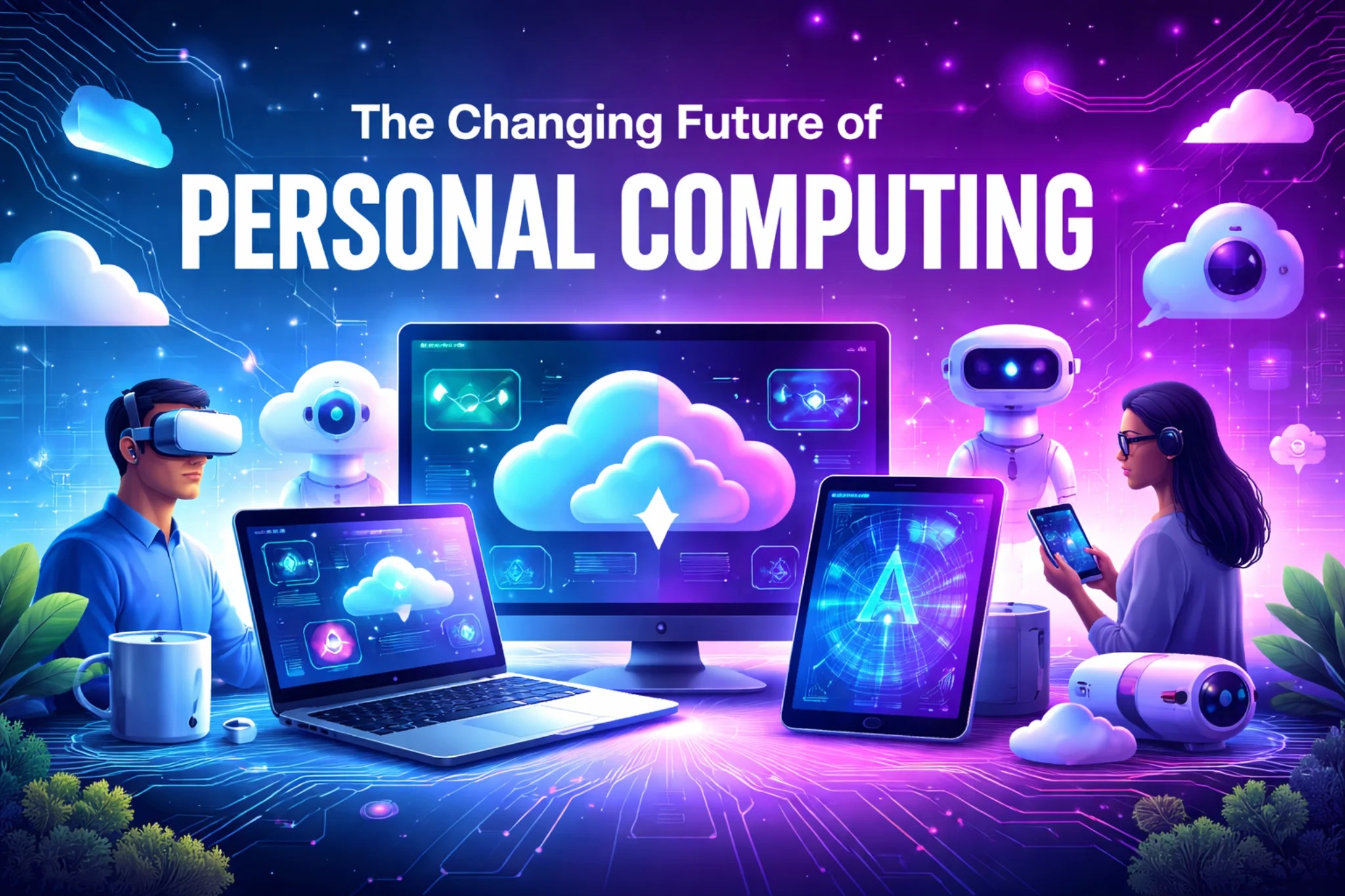
Today, things are very different. Technology is evolving fast, and the way we use computers is also changing. Cloud computing, artificial intelligence, mobile devices, and smart systems are replacing the traditional idea of personal computing. Now, instead of relying only on your laptop or PC, you are connected to a larger system that works across devices and platforms.
In this blog, we will understand how personal computing is changing, why it is happening, and what the future looks like.
What is Personal Computing?
Personal computing simply means using a computer for individual use. It includes devices like:
- Desktop computers
- Laptops
- Tablets
- Smartphones
Earlier, personal computing was focused on a single device. You had your files, software, and data stored on your computer. If your system failed, your data could be lost. Also, performance depended on your hardware like RAM, CPU, and storage.
But now, this concept is shifting.
Why Personal Computing is Changing
There are several reasons behind this change. Let’s understand them one by one.
1. Rise of Cloud Computing
Cloud computing is one of the biggest reasons for this transformation. Instead of storing data on your personal device, you can now store it online.
For example:
- Google Drive
- Dropbox
- iCloud
These platforms allow you to access your files from anywhere. You do not need a powerful system because the heavy work is done on remote servers.
This means your device becomes just a medium to access the cloud, not the main computing unit.
2. Growth of Artificial Intelligence
AI is changing how computers work. Modern systems can now understand user behavior and automate tasks.
Examples:
- Smart assistants like voice commands
- Auto suggestions while typing
- AI tools for coding, editing, and designing
AI reduces the need for manual work and makes systems smarter. It also shifts computing power to cloud-based AI systems instead of local machines.
3. Mobile Devices Becoming Powerful
Smartphones and tablets are now very powerful. Many users are replacing laptops with mobile devices.
Today you can:
- Edit videos on your phone
- Attend meetings
- Run business apps
- Even do coding
This shows that personal computing is no longer limited to desktops and laptops.
4. Internet Speed and Connectivity
Fast internet has made everything easier. With high-speed connections, users can stream, upload, and download data quickly.
Because of this:
- Online tools work smoothly
- Cloud apps perform like local apps
- Remote work becomes possible
Without fast internet, modern computing would not be possible.
5. Software Moving to the Web
Earlier, software needed installation. Now most tools run directly in the browser.
Examples:
- Google Docs instead of MS Word
- Canva for designing
- Online IDEs for coding
This reduces dependency on the operating system and hardware.
How Personal Computing is Changing
Let’s look at the actual changes happening in real life.
1. From Local to Cloud-Based Systems
Earlier:
- Files stored on your PC
- Software installed locally
Now:
- Files stored in the cloud
- Apps accessed through the internet
This makes computing more flexible and secure.
2. From Device-Centered to User-Centered
Now, your data is linked to your account, not your device.
For example:
- You log in and access everything instantly
- Same data on phone, laptop, tablet
This creates a seamless experience across devices.
3. From Heavy Hardware to Lightweight Devices
You no longer need expensive hardware for basic tasks.
- Chromebooks are becoming popular
- Thin laptops with less power can still perform well
Because most work is done in the cloud.
4. From Manual Work to Automation
AI and automation tools are reducing effort.
- Auto file organization
- Smart recommendations
- Automated workflows
This saves time and increases productivity.
Impact on Users
This shift is affecting users in many ways.
Advantages
- Easy access to data anywhere
- No need for high-end devices
- Better collaboration with others
- Automatic backups and security
Disadvantages
- Dependency on internet connection
- Privacy concerns
- Subscription-based services
- Less control over data
So while the new system is powerful, it also has some risks.
Impact on Businesses
Businesses are also adapting to this change.
Key Changes
- Remote work is now common
- Teams use cloud tools for collaboration
- Companies invest more in AI and cloud services
This reduces infrastructure costs and improves efficiency.
Future of Personal Computing
The future looks even more advanced. Here are some trends we can expect.
1. AI-First Computing
Computers will become more intelligent. They will understand user needs and perform tasks automatically.
Example:
- AI writing content
- AI coding apps
- AI managing schedules
2. Cloud-Only Systems
Devices may not store anything locally in the future. Everything will be in the cloud.
3. Mixed Reality and Virtual Computing
Technologies like VR and AR will change how we interact with computers.
You may work in a virtual office instead of a physical one.
4. Edge Computing
Some processing will happen near the user to reduce delay.
This will improve performance for real-time applications.
5. More Connected Ecosystem
All devices will be connected.
- Smart homes
- Smart cars
- Wearable devices
Everything will work together as one system.
Conclusion
Personal computing is no longer limited to a single device. It is becoming a connected experience powered by cloud computing, artificial intelligence, and fast internet.
The focus is shifting from hardware to services. Devices are becoming lighter, smarter, and more dependent on the internet. Users now expect flexibility, speed, and convenience.
While this change brings many benefits, it also creates new challenges like privacy and dependency on online systems.
In the coming years, personal computing will continue to evolve. Those who understand and adapt to these changes will benefit the most.